


From its inception, I have been using Keywords Everywhere quite a bit, a Google Chrome extension that basically facilitates the search volume of a query on Google. It is comfortable, practical, and was integrating well into various search and SEO services.
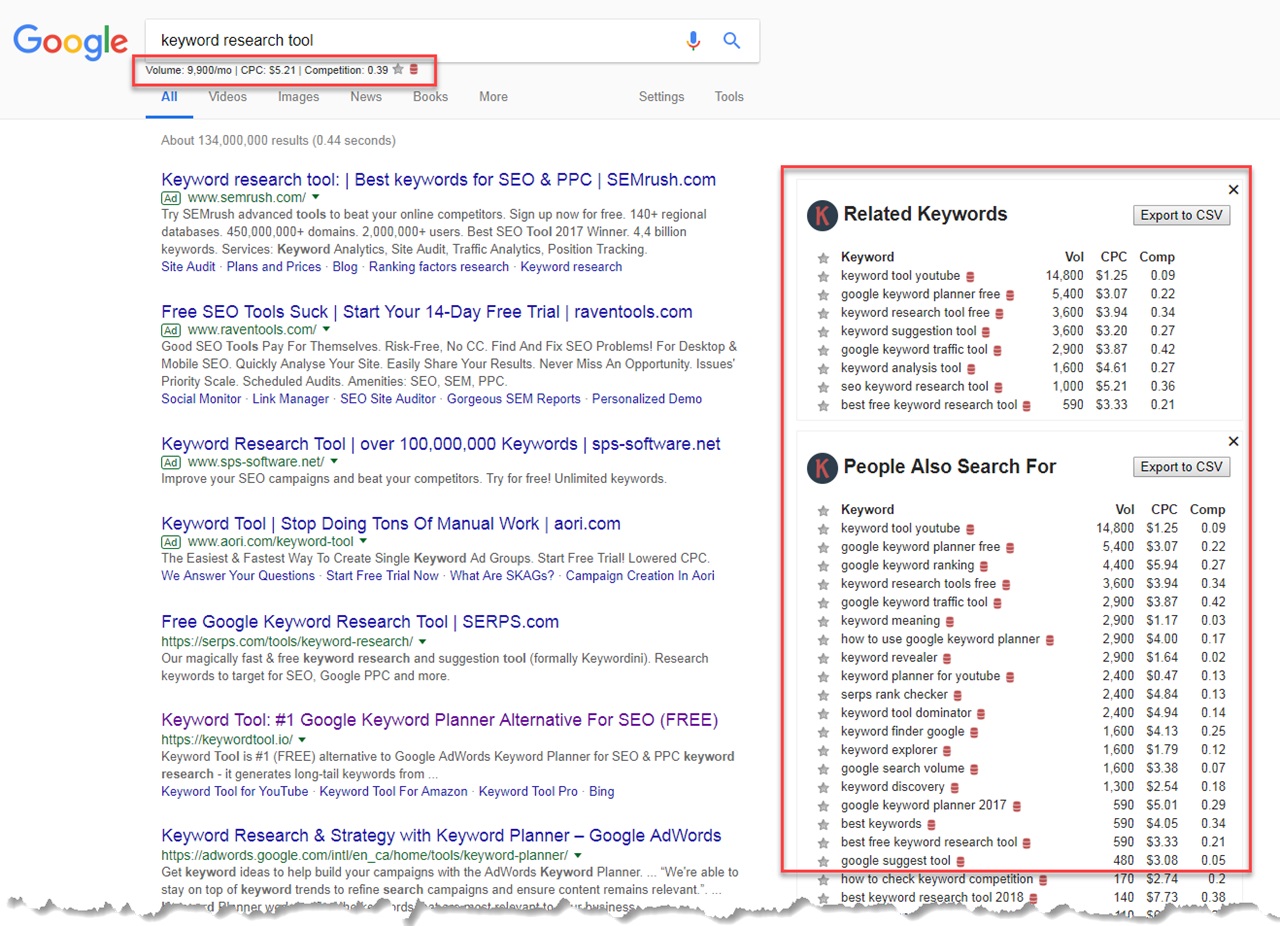
Its way of working is simple but powerful, it integrates into the Google search page and offers you the number of queries for a specific query right in the top right corner; it also facilitates suggestions for other keywords in an orderly manner so you can reinforce your texts.
Contenidos
Farewell to Free Keywords Everywhere
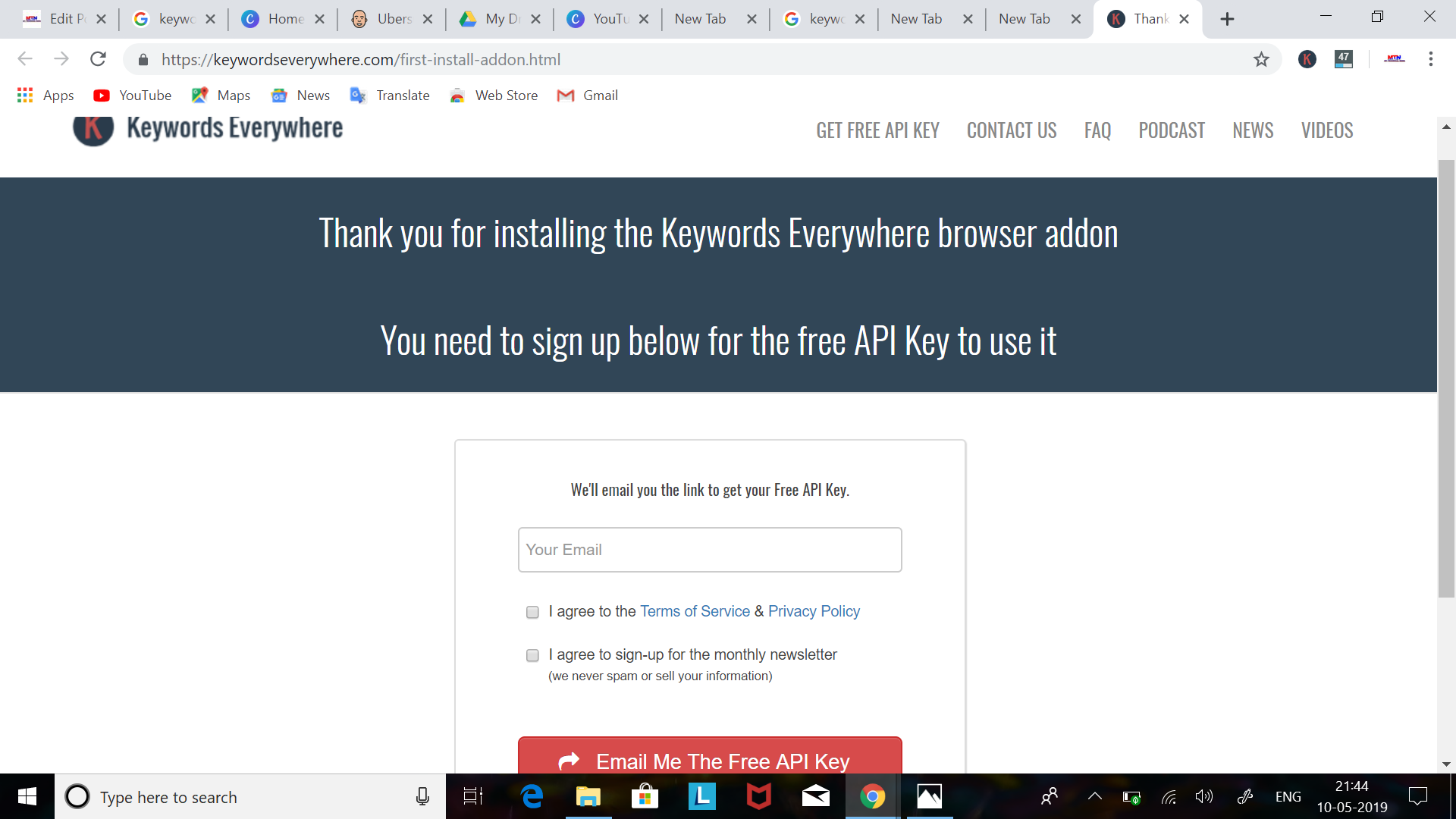
The thing is that on September 25, the creator of Keyword Everywhere decided to make his extension paid. The monetization model is through credit-based payment, and they are equivalent to 1 dollar for every 10,000 credits that are nothing more than queries to a keyword. This is how its creator defines the model in Search Engine Land.
Basically, every time you see the volume of a keyword, a credit is used up. So, for a Google search where you see 20 related keywords and 50 “People Also Search…” keywords, it will use 1 (main query) + 20 + 50 = 71 credits.
The reasons for making this extension paid have to do with resource usage; according to its creator, bots were wreaking havoc and he needs to constantly update hardware for real users.
For example, there are bots that use Keyword Shitter in conjunction with Keyword Everywhere. Imagine the number of queries that must be created. So, the question is “Should the new paid model be a concern?” According to its creator, the average cost for a normal user will be around 2 euros per month, so it remains a more than valid tool for working.
Free Alternatives
Of the ones I’ve tried to date, I’ll give you some alternatives that, while not as comfortable as Keywords Everywhere, can help you with keyword research. My recommendation is to go for paid tools like Ahrefs, but these 3 are okay for starting.
Ubersuggest
It’s my favorite. While some estimates it provides don’t quite add up, it serves well enough to do a keyword study since it gives, for free, estimates of searches per month, CPC, and suggestions. All of this, along with a ranking that the tool creates. If you sign up, you can create projects and track them.
Wordtracker
It’s more geared towards getting keyword suggestions. But you can see interesting data like search volume by recommendations and get good ideas for your texts or product descriptions.
Wordstream
Very similar to Wordtracker, but a bit easier to use. Unlike the previous one, it does allow you to use long-tail keywords for searches and get some suggestions by estimated monthly search volume.