



It was inevitable that an entity with the authority of WordPress, the most widely used CMS in the world, would have demands of the depth and importance that we mentioned. The democratization of sitemaps is something that everyone was crying out for. It is true that there are specialized plugins, very powerful, that help in the creation of sitemaps, but not all users use them.
This is the solution to a problem that has been dragging on for some time. Workers from Yoast and Google have generated a petition to WordPress to include the generation of XML sitemaps within the code of the popular CMS. This way, it would be a characteristic included in the Core of all installations.
Contenidos
Why is the sitemap important?
Although it is true that it has lost some of its weight, the sitemap is a support that helps us to find new content on our websites. Although Googlebot is intelligent enough to discover content and new URLs, the sitemap is always a good additional support. You can see its evolution within Search Console and detect new needs.
But not only that, the use of this tool also helps us to locate faults and errors within our structure of indexable and non-indexable URLs. As you will see, its use becomes something of sudden importance for some projects.
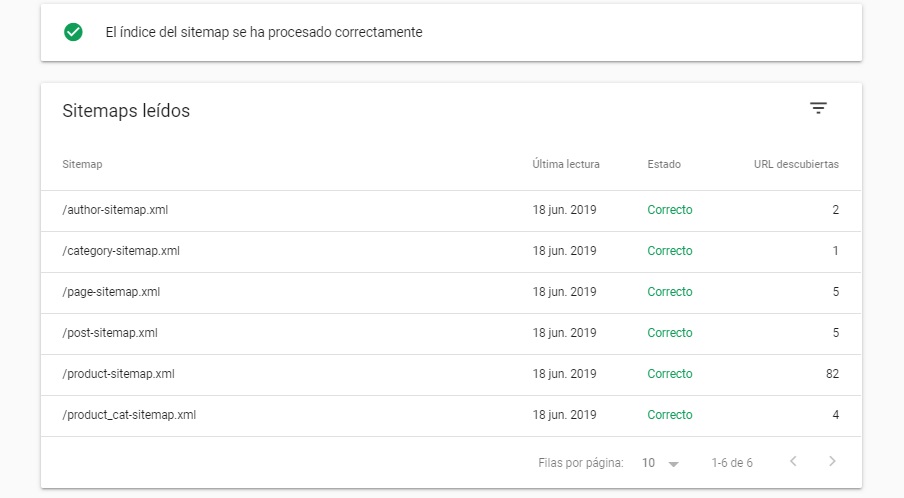
Status of the sitemap of one of my projects.
The proposal for improvement in sitemaps
So, with this summary in mind, I detail the characteristics that this proposal has to be, not only something integrated but effective:
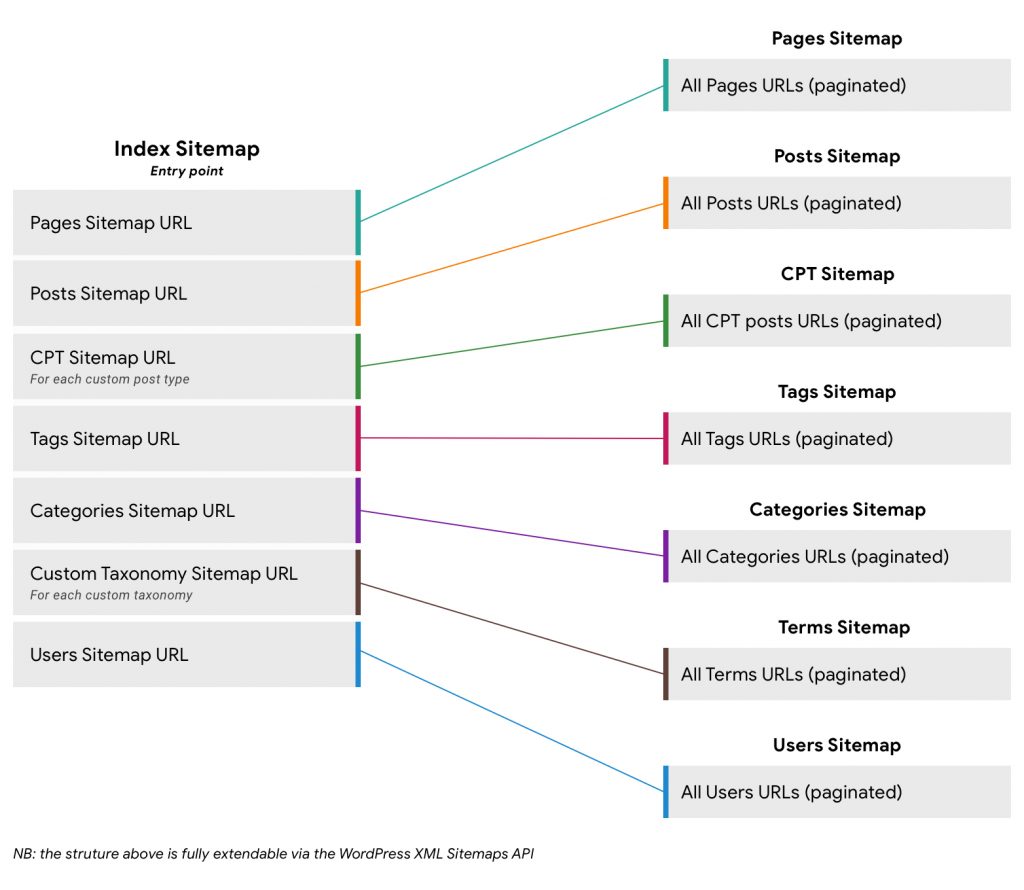
Elements included in the sitemap
- Home page.
- Page posts.
- Main post types (Pages and Post).
- Custom Post Types (Custom fields).
- Basic taxonomies (Tags and Categories).
- Custom taxonomies.
- Users (Authors).
All these types included in the new sitemaps would integrate pagination. The interesting thing here is that it also collects custom publication types (forum, reply, product, etc.), which would cover most of the topics sold on the market. Another point in favor is that it would also cover products from stores created with WooCommerce, and that interests us.
Elements not included in the sitemap
For our “disfortune”, this native API aims to focus on the basics for search engines, so elements such as:
- Images.
- Videos.
- News Element.
Nor would it bet on caching XML or custom exclusions (No Index, NoFollow, etc.).
Advantages for developers
Another important point to highlight is that a native API would help developers to make use of it, and thanks to this, they would have better support. Third-party plugins would benefit from a large part of the work already done and it’s no surprise that from Yoast and other plugin creators have seen this idea favorably. In broad terms, this is what they will be able to do thanks to this API integrated in the nucleus:
- Provide a customized XML style sheet.
- Add additional sitemaps and entries to the sitemap.
- Add additional attributes to sitemap entries.
- Exclude a specific publication, post type, taxonomy, or term from the sitemap.
- Exclude a specific author from the sitemap.
- Exclude specific authors with a specific function from the sitemap.
Advantages for users
Needless to say that the simple fact of being able to dispense with additional third-party plugins is an advantage more than enough for the user. This way, we save resources and help to make our web’s WPO more effective.
But in addition to all this, developers will benefit from improvements for their plugins. Of course, this API does not seem to cover everything, and there will always be those who prefer to use more advanced plugins like Google XML Sitemap or similar, but for the average user, who does not want to worry about much, this alternative is great and allows them to focus on what is important, which is generating content.